Advances in Cancer Treatment: Between Biotechnology and Future Therapeutic Innovations
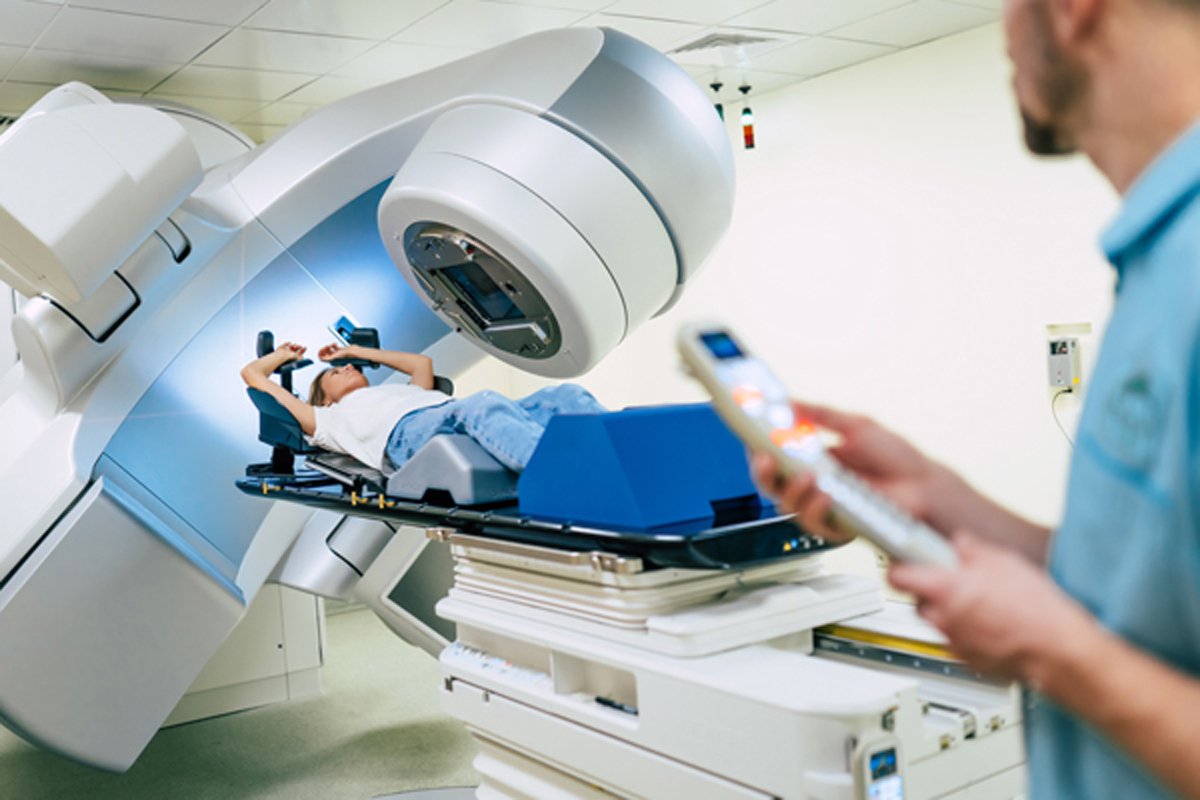
Cancer remains one of the most complex diseases in modern medicine, caused by abnormal cell growth that can spread throughout the body. Despite significant progress in traditional treatments such as chemotherapy and radiotherapy, these approaches still face major challenges, including damage to healthy cells and severe side effects for patients.
In recent years, scientific research has shifted toward developing more precise and effective therapies based on a deeper understanding of cancer cell biology. Among these approaches, nanotechnology has emerged as a promising field, enabling targeted drug delivery directly to cancer cells while minimizing harm to healthy tissues and increasing treatment efficiency.
Another innovative area is cold plasma medicine. This technology generates reactive species capable of selectively affecting cancer cells, opening the door to more precise and less harmful treatment options compared to conventional methods. Although still under research and development, early results are highly encouraging.
Additionally, gene therapy has become one of the most important modern strategies, aiming to correct or modify genes responsible for cancer development. RNA-based techniques, such as RNA interference (siRNA), are also being studied for their ability to silence genes that promote tumor growth.
The integration of these technologies—nanomedicine, molecular therapies, and plasma science—may represent the future of cancer treatment, offering safer and more effective solutions. With ongoing research and clinical trials, scientists are moving closer to more humane and precise treatments that reduce patient suffering and improve survival rates.
In conclusion, progress in cancer treatment depends heavily on continued scientific research and interdisciplinary collaboration between medical and engineering fields to ultimately find better solutions for this complex disease.